
Introduction In today’s digital world, having only a website is not enough. To grow your business online, you need the right combination of website design and digital marketing. A professional website builds trust, while digital marketing helps you reach your target audience. Together, they create a powerful strategy for business growth. What is Website Design? Website design is the process of creating a site that is: A well-designed website ensures visitors stay longer and explore your products or services. What is Digital Marketing? Digital marketing is promoting your business online using strategies such as: This helps attract the right audience and convert them into loyal customers. Why Combine Website Design and Digital Marketing? When used together, website design and digital marketing provide: Tips to Grow with Website Design and Digital Marketing Conclusion The future of business is digital. By investing in website design and digital marketing, you can strengthen your online presence, attract the right customers, and achieve long-term growth. 👉 At Pro Web Solutions, we help businesses combine website design and digital marketing strategies for maximum results. Contact us to get started today. What is website design and digital marketing? Website design focuses on creating a professional, user-friendly website, while digital marketing promotes that website online through SEO, social media, ads, and content strategies. Why is website design important for digital marketing? A well-designed website improves user experience and builds trust. Digital marketing efforts are more successful when visitors land on a responsive, optimized site. How do website design and digital marketing work together? Design attracts and engages visitors, while digital marketing brings traffic. Together, they help businesses reach their audience and convert visitors into customers. Can small businesses benefit from website design and digital marketing? Yes, small businesses can attract local and global customers affordably by combining professional website design with targeted digital marketing strategies.

Top 7 Website Design Trends in 2025 That Will Transform Your Online Presence
In today’s digital-first world, your website is more than just an online address – it’s your brand’s first impression. With technology evolving rapidly, businesses must adapt to the latest website design trends in 2025 to keep visitors engaged, improve conversions, and build trust. At Pro Web Solutions, we help businesses stay ahead by designing websites that are not only visually appealing but also strategically built to generate results. 1. Minimalist and Clean Design 2025 is all about less is more. A clean layout with simple navigation ensures that users find what they’re looking for without distraction. White space, bold typography, and minimal color palettes are setting the tone this year. ✅ Tip: Keep your design simple, but let important elements like CTA buttons stand out. 2. AI-Powered Personalization Artificial intelligence is transforming web experiences. Websites are now using AI to deliver personalized content, recommend products, and even provide AI-powered chat support to improve user engagement. ✅ Tip: Integrate AI chatbots to answer FAQs instantly and increase customer satisfaction. 3. Mobile-First & Responsive Design With more than 70% of traffic coming from mobile devices, a mobile-first design is no longer optional – it’s mandatory. Google also prioritizes mobile-friendly websites in search rankings. ✅ Tip: Test your website on multiple devices to ensure seamless browsing everywhere. 4. Voice Search Optimization More people are searching online using smart assistants like Siri and Alexa. Optimizing your website for voice search ensures you capture this growing audience. ✅ Tip: Use conversational keywords and FAQs in your website content. 5. Fast Loading Speed In 2025, speed is everything. A slow-loading website increases bounce rates and decreases trust. ✅ Tip: Compress images, use lightweight themes, and choose a reliable hosting provider. 6. Interactive & Engaging Elements Interactive tools like calculators, quizzes, and animations enhance user experience and keep visitors engaged longer. ✅ Tip: Add elements like “Get a Free Quote” calculator or “Try Our Demo” to encourage interaction. 7. Strong Focus on Accessibility Websites in 2025 must be inclusive. Accessible websites ensure people with disabilities can navigate easily, which also improves SEO and brand reputation. ✅ Tip: Use readable fonts, proper color contrast, and alt tags for images. Final Thoughts Your website is the digital face of your business. By adopting the latest website design trends in 2025, you can create a site that not only looks modern but also performs exceptionally well. At Pro Web Solutions, we specialize in building websites that blend creativity, technology, and strategy to help businesses succeed online. 👉 Ready to upgrade your website for 2025? Contact Us Today

10 Common Website Design Mistakes That Are Hurting Your Business (And How to Fix Them)
Introduction: In today’s digital-first world, your website is often the first impression a potential customer has of your business. But even a beautiful site can secretly drive visitors away if it’s not designed with usability, SEO, and conversions in mind.Here are 10 common website design mistakes that might be silently hurting your business — and how you can fix them. 1. Slow Loading Speed Why it’s bad: Visitors leave if your site takes more than 3 seconds to load.Fix: Optimize images, enable caching, and use a fast hosting provider. 2. Poor Mobile Experience Why it’s bad: Over 60% of traffic comes from mobile devices.Fix: Use a responsive design that adapts to all screen sizes. 3. Cluttered Layout Why it’s bad: Too many elements overwhelm visitors and reduce conversions.Fix: Keep it clean with clear navigation and whitespace. 4. Weak CTAs (Call-to-Actions) Why it’s bad: If visitors don’t know what to do next, they leave.Fix: Use clear, action-oriented CTAs like “Get a Free Quote” or “Start Now.” 5. Outdated Design Why it’s bad: Makes your brand look untrustworthy.Fix: Redesign every 2-3 years to stay modern. 6. Hard-to-Read Fonts Why it’s bad: Visitors won’t engage if reading is difficult.Fix: Use legible fonts with proper size and contrast. 7. No SEO Optimization Why it’s bad: Your site won’t appear in search results.Fix: Add keyword-rich content, meta tags, and proper heading structure. 8. Missing Contact Information Why it’s bad: Visitors can’t reach you, so they move to competitors.Fix: Add phone number, email, and contact form in visible spots. 9. Stock Photos Overuse Why it’s bad: Makes your site look generic.Fix: Use original, high-quality images. 10. Not Tracking Performance Why it’s bad: You won’t know what’s working and what’s not.Fix: Use Google Analytics and Search Console to monitor results. Conclusion:Your website is your digital storefront — don’t let small design mistakes cost you customers. By fixing these errors, you can improve user experience, boost search rankings, and increase conversions.

Must-Have Features in a Successful E-commerce Website
Introduction to E-commerce Website Standards In today’s digital era, a visually appealing online store isn’t enough. To thrive in the competitive e-commerce world, your website must be built not just to look good, but to sell effectively. Whether you’re launching a new online store or upgrading your existing one, knowing which features can make or break your success is crucial. Let’s explore the must-have features every successful e-commerce website should have. 1. Mobile-Friendly Design Over 70% of users shop on their smartphones. If your website isn’t responsive across all screen sizes, you’re losing potential customers. A mobile-friendly e-commerce design ensures a seamless experience, faster loading, and easy navigation—essential for converting mobile traffic into buyers. Pro Tip: Use mobile-first design, large CTA buttons, and test on various devices. 2. Secure Payment Gateways Security is non-negotiable when dealing with customer data and transactions. Offering SSL encryption, multiple secure payment options (credit cards, UPI, PayPal, wallets), and visibly displaying trust badges build confidence and reduce cart abandonment. Pro Tip: Integrate trusted gateways like Razorpay, Stripe, or PayPal with fraud detection. 3. High-Quality Product Images & Descriptions Your product page is your digital shelf. Crisp, high-resolution images with zoom-in options and well-written product descriptions boost customer trust and conversion rates. Explain features, benefits, size, material, and usage in simple language. Pro Tip: Add videos or 360° product views for an immersive shopping experience. 4. Easy Navigation and Search Filters No one likes getting lost in a cluttered store. Your website should feature clear categories, breadcrumb navigation, and search filters based on size, color, price, and more to help users find products quickly. Pro Tip: Implement autocomplete suggestions and smart search to improve product discovery. 5. Customer Reviews and Testimonials Social proof matters. Real customer reviews and ratings can increase conversions by over 60%. Let customers post reviews, and highlight best-rated products or verified buyer feedback. Pro Tip: Use plugins or integrations to automate review requests after purchase. 6. Fast Checkout Process The fewer steps between adding to cart and payment, the better. A guest checkout option, auto-fill forms, and progress indicators can drastically reduce cart abandonment rates. Pro Tip: Add a one-click buy option for returning users. 7. SEO Optimization for Products If your products don’t appear in search engine results, they won’t sell. Use product-based keywords, SEO-friendly URLs, optimized meta tags, alt text for images, and schema markup to improve visibility. Pro Tip: Use tools like Rank Math or Yoast to optimize on-page SEO easily. 8. Live Chat and Support Integration Customer queries need instant solutions. Integrating live chat support or chatbots builds trust and can help boost sales by answering product or delivery questions in real-time. Pro Tip: Use tools like Tidio, Crisp, or WhatsApp chat integration for better support. 9. Analytics and Tracking Tools You can’t improve what you don’t measure. Use Google Analytics, Facebook Pixel, and Heatmaps to track visitor behavior, product performance, and conversion rates. Pro Tip: Create weekly reports to analyze trends and optimize accordingly. 10. Wishlist and Save for Later Options Not every customer is ready to buy now. A wishlist lets users save products and come back later, increasing return visits and conversion opportunities. Pro Tip: Send email reminders about saved or out-of-stock items. Conclusion: Build for Trust, Speed & Sales The difference between a basic online store and a successful e-commerce website lies in these key features. By focusing on user experience, performance, security, and trust, you set your business up for long-term success. Whether you’re building your store from scratch or revamping an old one, use this checklist to ensure your site is designed to attract, engage, and convert. If you need help designing or optimizing your e-commerce website with these best practices,Contact Pro Web Solutions today for expert assistance.
How to Choose the Right Website Design for Your Business
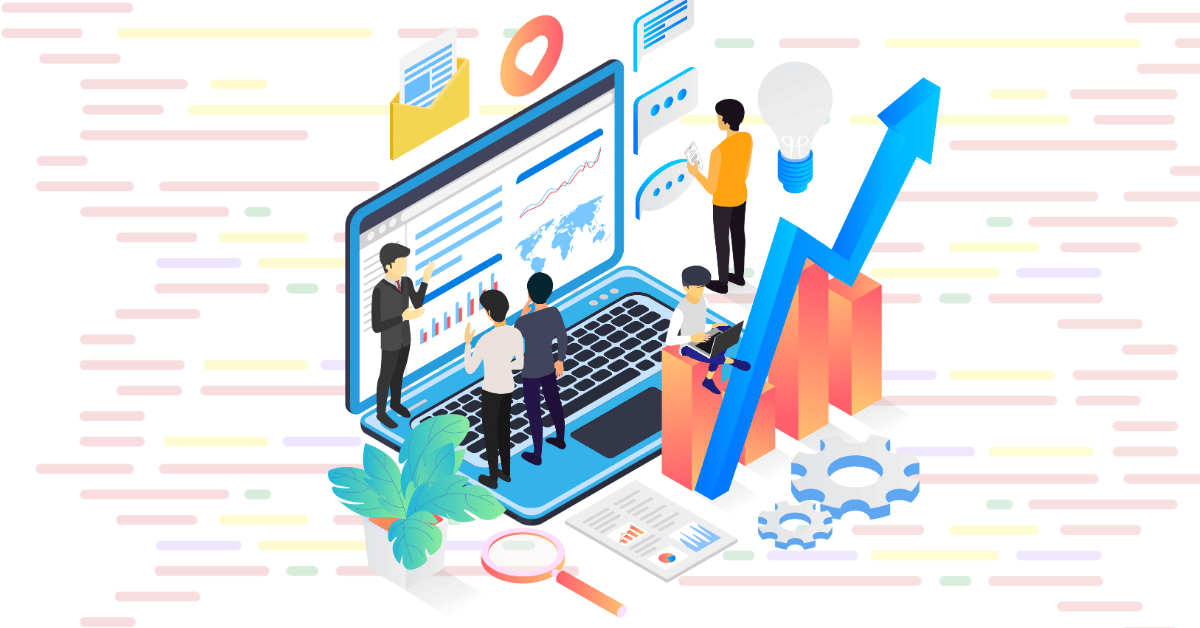
Introduction: Why Website Design Matters for Your Business In today’s digital-first world, your website is more than just a digital presence—it’s the face of your business. Whether you’re a startup, a local service provider, or an established brand, your website can either attract and convert visitors or turn them away. A well-designed website is not only visually appealing but also user-friendly, fast, and aligned with your brand and goals. So, how do you choose the right website design for your business? This guide will help you understand key elements, mistakes to avoid, and best practices to ensure your design works for you—not against you. 1. Understand Your Business Goals Before diving into layouts and colors, first define your goals: 👉 Each goal demands a different design approach. For example: Knowing your goals helps in choosing the right layout, features, and user flow. 2. Know Your Target Audience Your website should speak directly to the audience you’re trying to reach. Also consider: Creating a user persona helps in choosing the right design features. 3. Prioritize Mobile-Responsive Design With over 70% of users browsing on mobile devices, a mobile-friendly design is no longer optional—it’s mandatory. Google also ranks mobile-friendly websites higher. Choose a responsive design that: 💡 Tip: Always test your design on various screen sizes before finalizing. 4. Focus on Simplicity and Navigation Simple designs perform better—they reduce distractions and improve user experience. Key features: Don’t try to impress with over-the-top visuals if they slow down your site or confuse visitors. 5. Align the Design with Your Brand Identity Your website should reflect your brand. Colors, fonts, icons, tone of content—everything must match your business personality. Make sure your design: 6. Don’t Forget Speed and Performance Speed is a silent killer of good design. A beautiful website that loads slowly will drive users away. 📉 According to Google, 53% of mobile users abandon a website that takes longer than 3 seconds to load. Tips: 7. SEO-Friendly Structure is a Must Good website design goes hand in hand with search engine optimization (SEO). Make sure: Remember: a website that looks great but can’t be found on Google won’t do much good for your business. 8. Choose a Scalable and Manageable Platform Your website should grow with your business. Choose a platform that: 📌 If you’re hiring an agency, ask them whether your team will be able to update the content or if you’ll need help every time. 9. Common Mistakes to Avoid Make sure to test your site with real users before going live. Conclusion: Your Website is an Investment, Not an Expense Your website design can make or break your business online. By understanding your goals, your audience, and best practices, you can choose a design that builds trust, attracts traffic, and boosts conversions. If you’re unsure where to start or want a custom website designed by experts, reach out to our team at Pro Web Solutions. We specialize in creating business-focused designs that drive results.
The Importance of a Website for Business
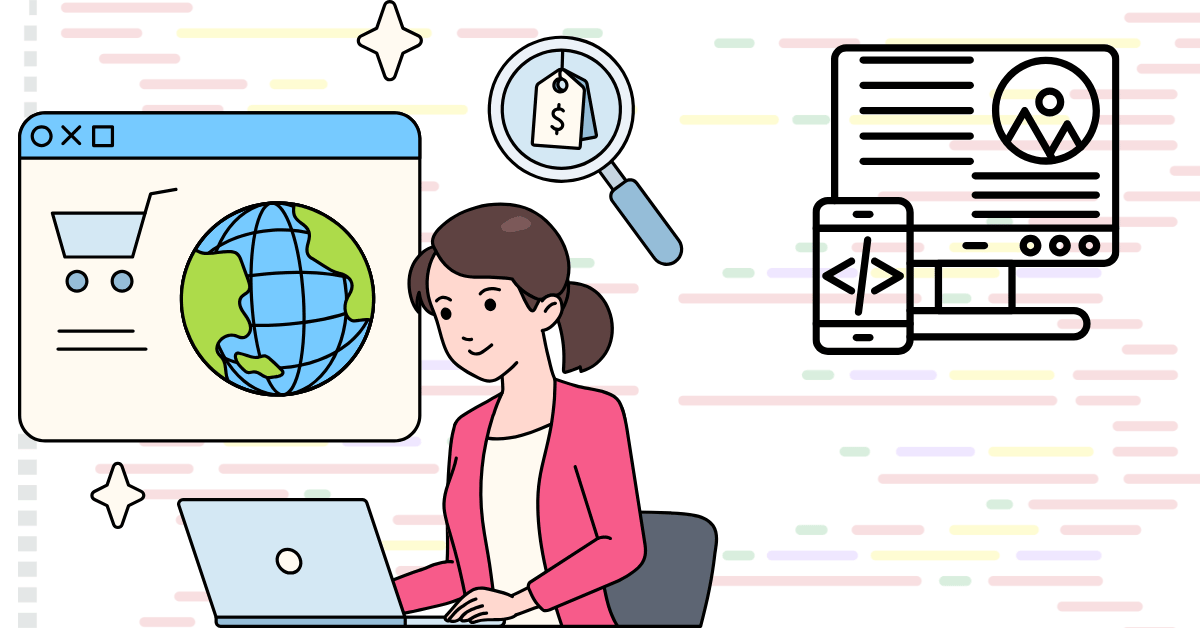
Starting a business is a bold move. But in today’s world, it’s just the beginning. If you’re an entrepreneur without a strong online presence, you’re missing out on your biggest growth opportunity. One of the first major steps in building your brand is having a professionally designed website — but many entrepreneurs hesitate. They wonder: This article walks you through the full journey — from the moment you decide to build a website to the point where your business becomes more profitable than you ever imagined — thanks to smart digital strategy and a solid online presence. 1. The Turning Point: Realizing You Need to Be Online Most entrepreneurs reach a stage where they realize that having just an offline presence isn’t enough anymore.Whether it’s a local store, a service-based business, or a new product launch — your potential customers are already online, searching. This is where the idea of building a website begins. But for many, confusion soon follows: 👉 The reality: A poorly built or non-optimized website will cost you more in lost opportunities than the initial investment you’d make in a professional agency. 2. Why a Website Alone Isn’t Enough Some entrepreneurs do get a basic website made but see no results. That’s because: So, while your business is technically online, it’s practically invisible. That’s where a digital marketing strategy comes in — and that’s where professional agencies make all the difference. 3. What a Good Agency Actually Does (That DIY Can’t) A professional website design and digital marketing agency doesn’t just build websites — they create growth machines. Here’s what they bring to the table: 4. From Launch to Leads: The Growth Journey Here’s how it typically looks after hiring a good agency: Month 1-2:✔ Website design and development✔ Branding and messaging✔ SEO setup and initial marketing plan Month 3-5:✔ Website goes live✔ Google indexing begins✔ Ads and social media start bringing traffic✔ Inquiries start coming in Month 6+:✔ Increased online visibility✔ Growing traffic, leads, and conversions✔ Measurable return on investment✔ Business profits begin to grow 5. Results That Seem Unbelievable (But Aren’t) We’ve seen businesses go from zero visibility to fully booked in just 6-8 months.We’ve helped product companies get more sales online than they could through retail.We’ve worked with service providers who now get more leads in a week than they used to in a whole month. These results are not magic — they’re the outcome of strategy, consistency, and expert execution. 6. The Real Cost of Doing Nothing You might think: Let me wait. I’ll manage somehow. But every day without a strong online presence is a missed opportunity: The longer you wait, the more your competitors take the lead. 7. Final Thoughts: Build Smart, Grow Faster If you’re an entrepreneur who’s serious about growing your business, don’t settle for “just a website.” Invest in a complete digital presence — one that works for you 24/7.Hire professionals who understand your vision and turn it into online success. With the right agency, your website isn’t just an online brochure — it’s a powerful tool for growth, visibility, and profit. ✅ Need Help Getting Started? At Pro Web Solutions, we help startups and businesses like yours grow through strategic website design and result-driven digital marketing. From stunning websites to SEO, ads, and branding — we handle everything you need to shine online. 📞 Contact us for a free consultation or visit www.prowebsolutions.co.in to explore our services.